
Rural Community Immigration Pilot (RCIP)
The Pictou County Partnership, the leading economic development organization for the Pictou County region, is pleased to be one of 14 selected communities to take part in the Rural Community Immigration Pilot (RCIP). Developed for economic development organizations to support rural workforce growth, Pictou County RCIP assists local employers in filling critical roles specific to our region’s labour needs.
As a permanent resident pathway, RCIP also prioritizes the success of newcomers who choose to build their futures in our rural region of Nova Scotia. The Partnership looks forward to supporting successful applicants with a ‘community hug’ through connections to our settlement service delivery partners and our community integration initiatives as they settle, thrive, and contribute to the vibrant growth of our community.
RCIP enables Pictou County employers to attract and retain international talent, helping local businesses thrive and build diverse, skilled teams.
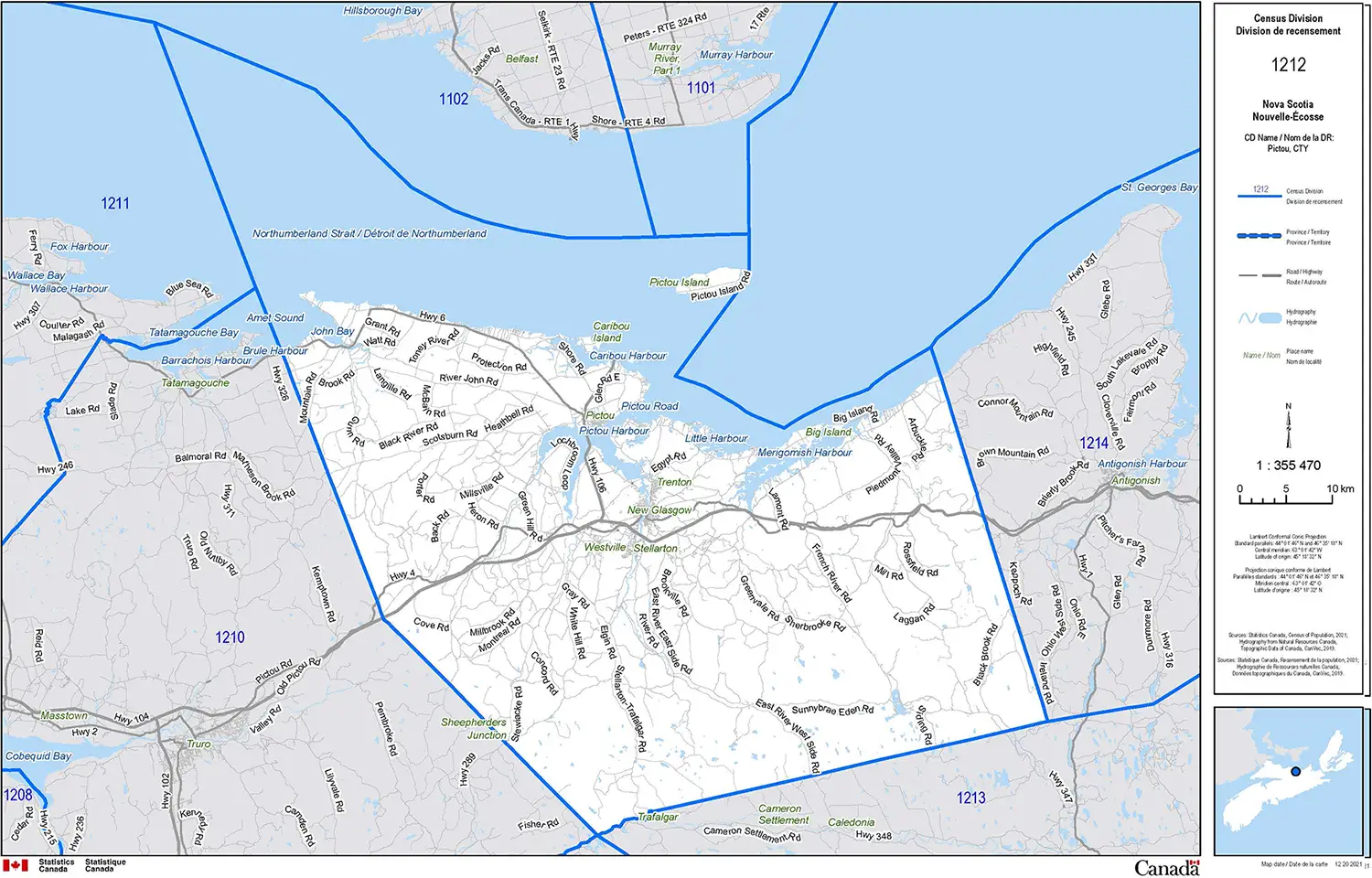
Pictou County RCIP Designated Area
To apply for the Pictou County RCIP designation, employers must be located within the Pictou County RCIP designated area which includes our municipal partners: Pictou Landing First Nation, the Municipality of Pictou County, and the towns of New Glasgow, Pictou, Stellarton, Trenton, and Westville.
Pictou County RCIP Priority Sectors 2026
Pictou County RCIP Priority Occupations 2026
Use of an Immigration Consultant
Engaging an immigration representative is optional and will not impact an applicant’s eligibility for a recommendation under the RCIP. The Pictou County Partnership does not endorse or collaborate with any immigration consultants.
If you choose to use an immigration consultant, ensure they are authorized by the Government of Canada. Only representatives who are members in good standing with the College of Immigration and Citizenship Consultants (CICC) or a Canadian law society may charge a fee. You can verify their credentials on the IRCC website.
Using a representative is a personal choice and will not affect the outcome or processing time of your application.
Nova Scotia Labour Standards
In Nova Scotia, employers must adhere to specific regulations when recruiting foreign workers. Individuals or agencies assisting in recruiting foreign workers must hold a valid Foreign Worker Recruiter Licence from Labour Standards, unless an exemption applies.
Employers who conduct their own recruitment do not require a recruiter licence. For more information, visit the Licensed Foreign Worker Recruiters page.
For comprehensive information on foreign worker recruitment regulations, please refer to the Foreign Workers page.
Employers
Steps for Employers to Participate in the Rural Community Immigration Pilot (RCIP)
Candidates
Steps for Candidates to Participate in the Rural Community Immigration Pilot (RCIP)